Choose how you want to play. GPUStores maps official PC requirements to practical current GPU classes, then brings you closer to an exact graphics card, gaming PC or accessory sold in Canada.
50 popular PC games3 buying levelsOfficial requirements
IN-DEPTH GUIDES
Prefer a complete game guide?
Search all 50 in-depth guides by game, genre, confirmed DLSS support or resolution covered. Each card shows a current GPU path—or a transparent validation status—before you open it.
50 guides found
CompetitiveDLSS ✓
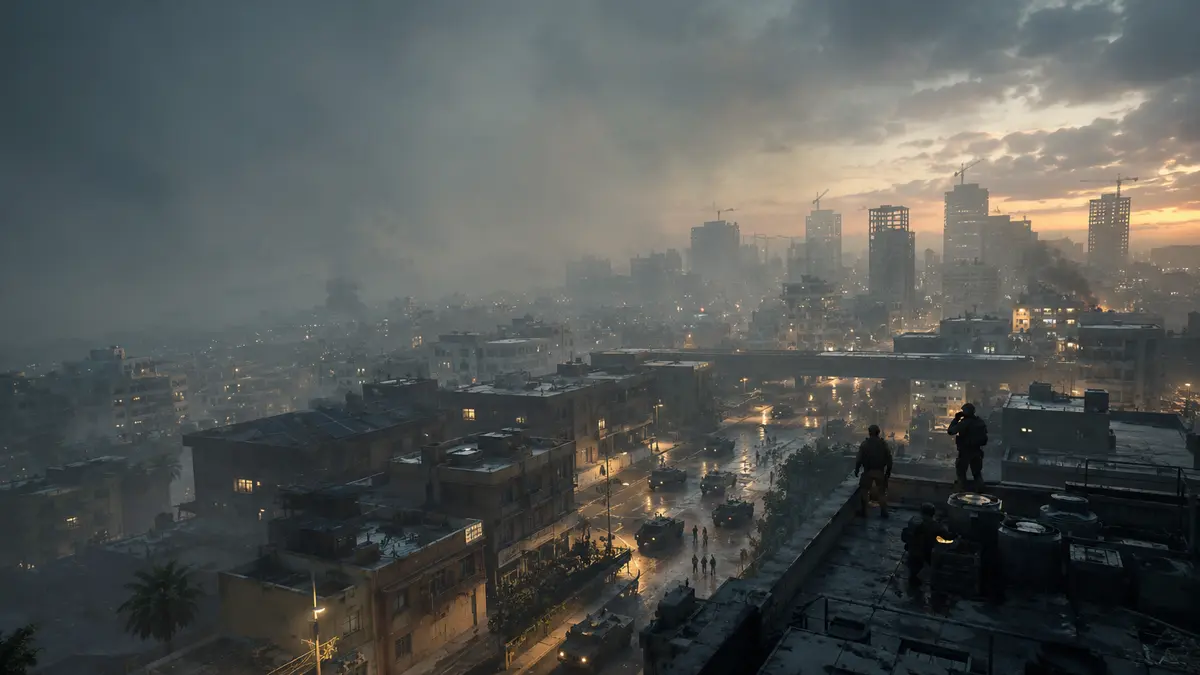
WARZONE · OFFICIAL REQUIREMENTS → CURRENT GPU FAMILIES
Warzone rewards a balanced system. The GPU matters as resolution and image quality rise, but a high-refresh competitive target also depends on the processor, memory, storage and the exact match conditions. This guide keeps Activision's published targets separate from GPUStores' current-buying interpretation.
Cyberpunk 2077 cannot be reduced to one GPU recommendation. CD PROJEKT RED publishes six Update 2.0 profiles covering raster, ray tracing and RT Overdrive. Resolution, preset, RT state, memory, processor and storage all change together, and the Overdrive target specifically depends on DLSS Frame Generation.
VALORANT's official GPU requirement is low by modern standards. Riot's published high-end 144+ FPS tier names a GTX 1050 Ti, Radeon R7 370 or Arc A310, paired with a stronger CPU. That makes this a CPU-first buying decision for many current systems, not an excuse to buy the most expensive graphics card.
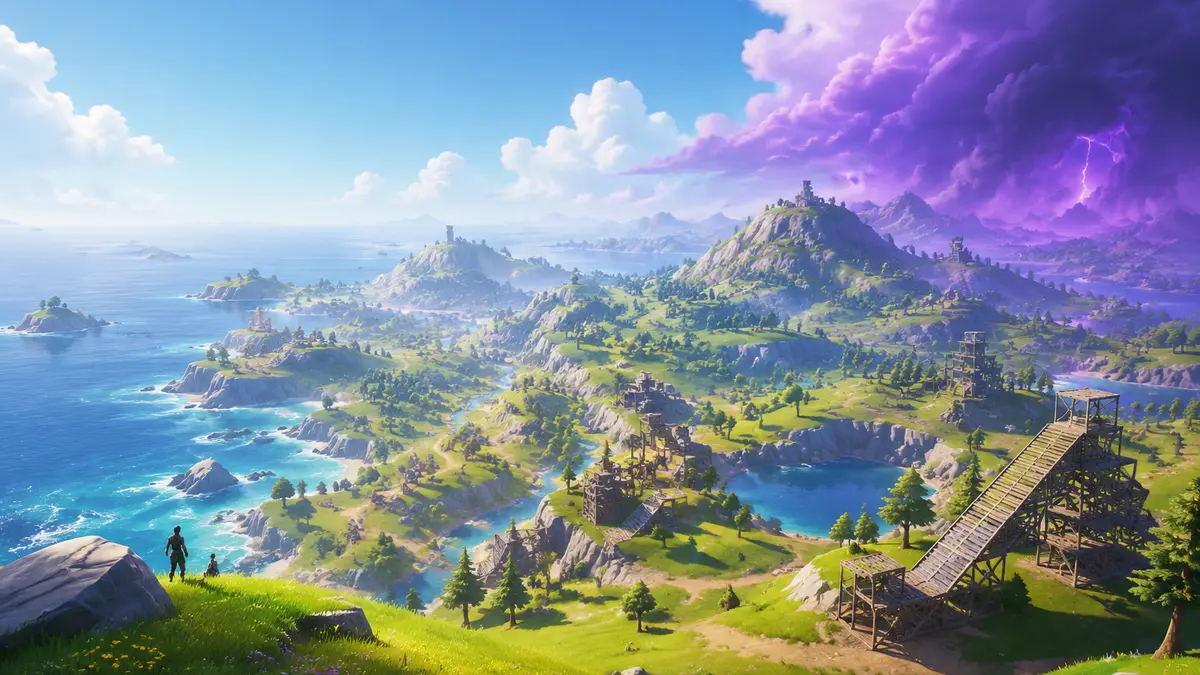
Fortnite spans very different rendering workloads. Performance Mode can reduce GPU demand for competitive play, while the Epic Quality preset asks for a much stronger graphics card, 8 GB of VRAM and an NVMe SSD. Epic publishes hardware tiers, but it does not attach official 144, 240 or 360 FPS results to them.
Minecraft Java has two very different buying questions. Mojang's current requirements describe the unmodified game at 1080p, while shader packs, high render distance, texture packs and large mod collections can create a much heavier workload. This guide keeps the official vanilla targets separate from those optional scenarios.
Valve publishes a Windows minimum, not a recommended 144, 240 or 360 FPS hardware table. That distinction matters: CS2 players often buy for refresh rate and frame-time consistency, where the processor and whole platform can limit results before a high-end GPU. This guide anchors the facts, then labels the shopping interpretation separately.
GTA V Enhanced has a much higher official baseline than GTA V Legacy. Rockstar names a 4 GB minimum GPU, an 8 GB recommended GPU, an SSD and a stronger processor. The official page does not attach a resolution or frame-rate promise to those rows, so this guide does not invent one.
Monster Hunter Wilds is demanding enough that the conditions beside Capcom's FPS labels cannot be hidden. The minimum target starts from 720p before upscaling to 1080p, while the recommended 1080p 60 FPS target uses Frame Generation. Those are displayed-output conditions, not equivalent native-rendering measurements.
Apex Legends can feel slow because of rendering, a frame-rate limit or the connection. Those problems do not call for the same purchase. Measure what happens in your matches before choosing a graphics card from a minimum-specification list.
Start with the settings you want to play at and the PC you already own. The publisher's recommended hardware does not establish a 1440p or high-refresh target. For a new purchase, the useful comparison is how much extra performance a more expensive card delivers at comparable settings.
The rendering mode changes the answer more than a generic ‘1440p’ label. The official PC requirements explicitly assume upscaling, so native resolution, Quality upscaling and frame generation must be treated as different workloads. Decide which image compromise you accept before comparing hardware.
Four official target profiles make this one of the clearer buying decisions: match resolution, preset, CPU and VRAM together instead of isolating the GPU.
The official requirements do not promise a resolution or frame rate, so the page separates those facts from current buying headroom and avoids invented FPS claims.
Starfield's official CPU floor is substantial and its requirements omit exact FPS targets, making a balanced current system more defensible than a GPU-only promise.
Choose the rendering mode before choosing the graphics card. Playing the story with ray tracing disabled and buying specifically for Ultra ray tracing are different purchases. The basic Epic requirements below do not establish performance in either of those settings.
Four official profiles progress from minimum to Ultra Plus, making resolution, preset, CPU and VRAM a more useful buying frame than one isolated GPU name.
Ubisoft publishes separate 1080p and 1440p profiles. High-refresh competitive play can expose CPU and frame-time limits before a mainstream current GPU runs out of rendering capacity.
The official rows provide hardware floors but no universal competitive FPS promise. Large sight lines, busy final circles and high-refresh targets still require a balanced CPU and GPU decision.
Eight official profiles separate selective, standard and extended ray tracing. The correct GPU class depends first on the RT mode and resolution actually selected.
Six official profiles span basic raster output through Ultimate ray tracing. Upscaling, frame generation and RT mode must remain attached to the published target instead of being hidden behind a GPU label.
The simulator's Minimum, Recommended and Ideal rows scale CPU, RAM, VRAM and bandwidth together. Dense airports and complex aircraft can shift the limiting part away from the GPU.
A quiet town or early campaign area is a poor test for a build that will stack skills, monsters and effects in the endgame. Path of Exile 2 should be judged in the content you expect to farm, with the CPU and storage checked alongside the graphics card. The game is also still in Early Access as of this review, so patch and test dates matter.
Choose the screen target before the GPU tier. Blizzard's four published launch profiles combine graphics settings, processor and memory; they are dated reference points, not measurements of today's patches. The 4K buying decision includes the rest of the PC.
Forza Horizon 5 is old enough that many PCs already run it well. The useful question is therefore not ‘what is the fastest card?’ but ‘what is my present PC failing to deliver?’ Start with the in-game benchmark, keep its resolution and preset, then price only the improvement you can see or feel on your own display.
Horizon 6 is not Horizon 5 with a new map. Its published PC floor starts at 16 GB of RAM and a required SSD, while the recommended row moves to RTX 3060 Ti, RX 6700 XT or Arc A580-class hardware. Tokyo’s dense streets also make the CPU and asset streaming relevant beside the GPU.
A racing game can feel poor even when its average frame rate looks acceptable. Forza Motorsport should be judged by repeatable laps, frame-time stability and the rendering mode you intend to keep. Its PC version also separates ray-traced lighting, upscaling and ordinary raster performance—choices that should be fixed before comparing cards.
Blizzard publishes current minimum and recommended PC rows for World of Warcraft, including broad DirectX 12 GPU families, 3 GB or 8 GB of VRAM, CPU, memory and SSD requirements. This guide maps those families to current shopping classes without inventing a universal resolution or FPS result.
Digital Extremes publishes only a broad minimum of a DirectX 11-capable graphics card, 4 GB of RAM and 75 GB of free space. It does not publish an exact recommended GPU, resolution, preset or FPS target. An older PC may already qualify, so test it before buying; the three classes below are editorial paths for a new PC or broader game library.
For comfort, aim or shortcuts, the right choice depends on your hand and controls. Individual game guides keep their suggestions; our comparison helps you choose between shapes and button layouts.
With your permission: visitor statistics, retailer clicks and ad measurement, including session recordings. Declining does not block the site.
Services used and privacy
With your permission, GPUStores uses anonymous first-party measurement, Google Analytics, Google Ads, Microsoft Advertising, Microsoft Clarity (heatmaps and session recordings) and the Meta Pixel to measure visits, page reading, retailer clicks and advertising effectiveness. We do not sell personal data.