I look at the whole machine—not just the big logo on the graphics card. See what is good, what is not, and the precise reference to verify before paying.
I start with the balance of the machine: graphics, processor, memory, storage and the compromises people often discover after buying. Every page tracks a precise reference.
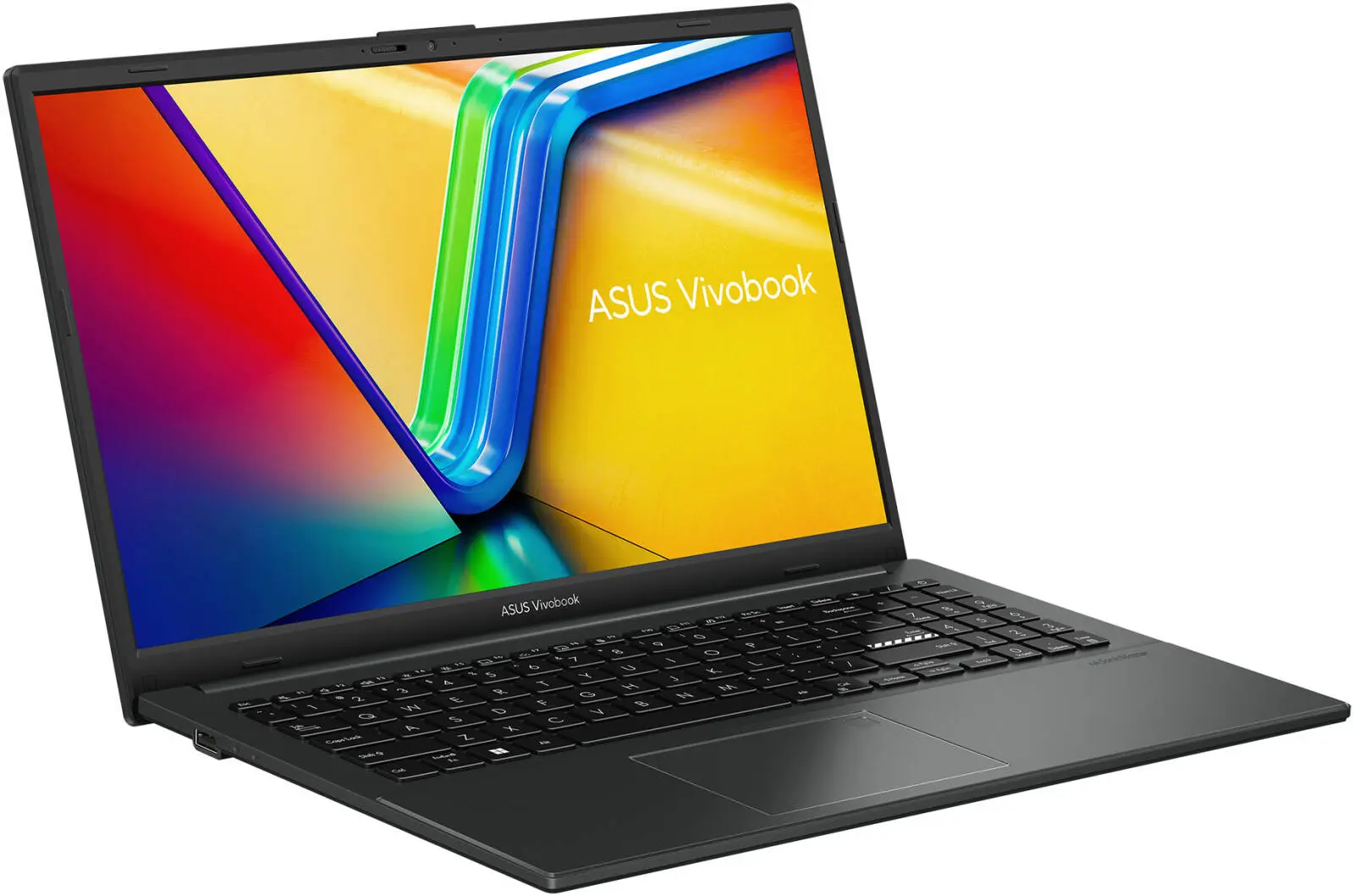
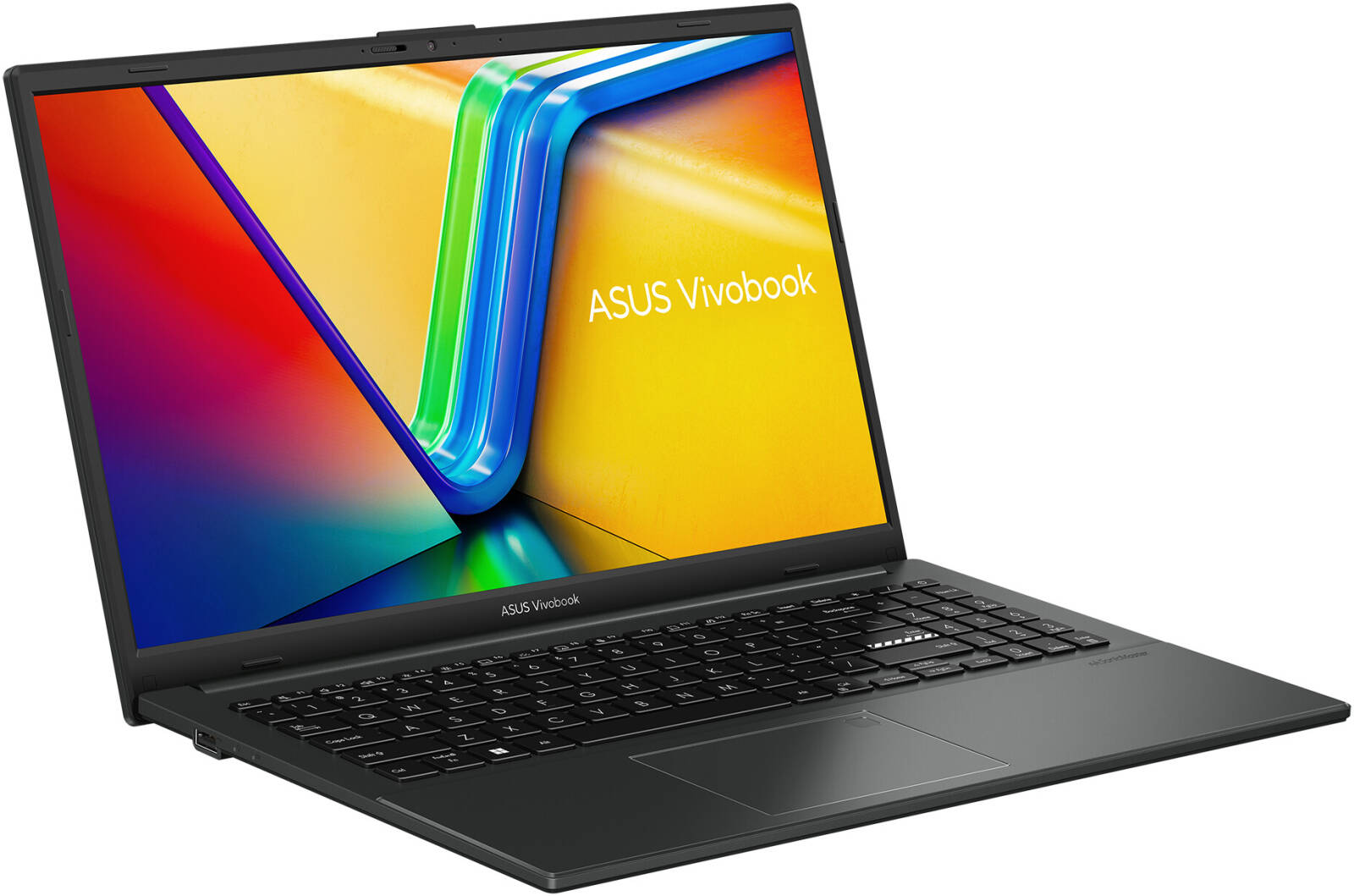
A basic laptop for the web, Office, classes and video—not a bargain gaming machine. The 512 GB SSD is welcome, but 8 GB of memory is the compromise I would think about before buying for several years.
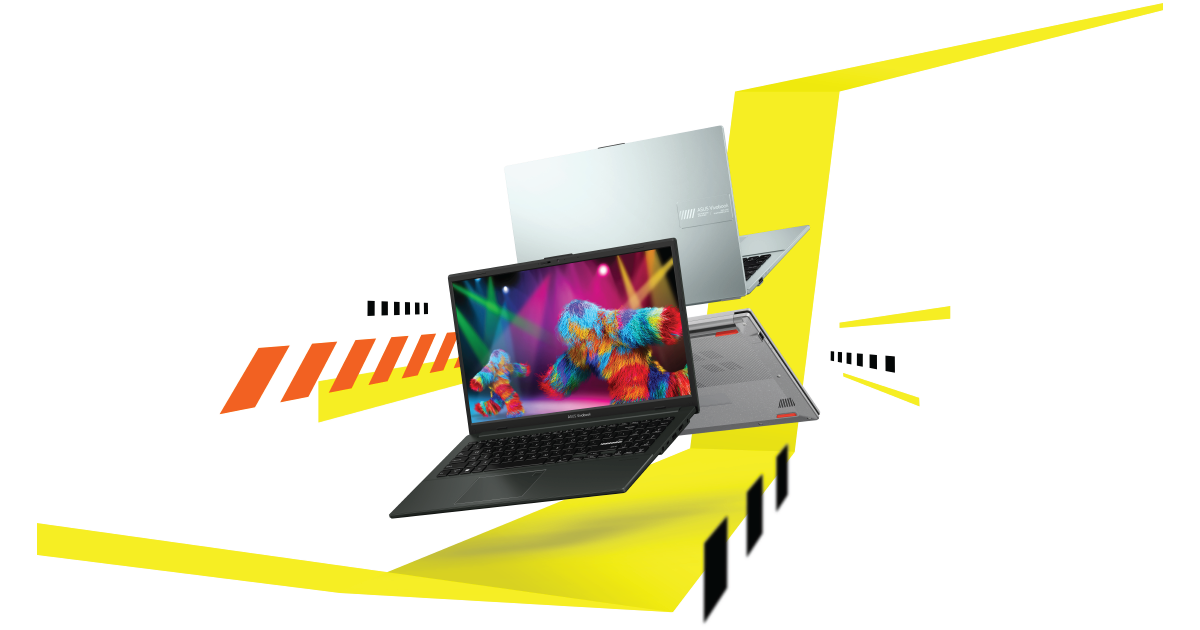
Of the two budget Vivobooks, this is the one I would keep longer. Sixteen gigabytes of memory and a 1 TB SSD matter more in daily use than a flashy specification, especially with many browser tabs, long documents and school files.
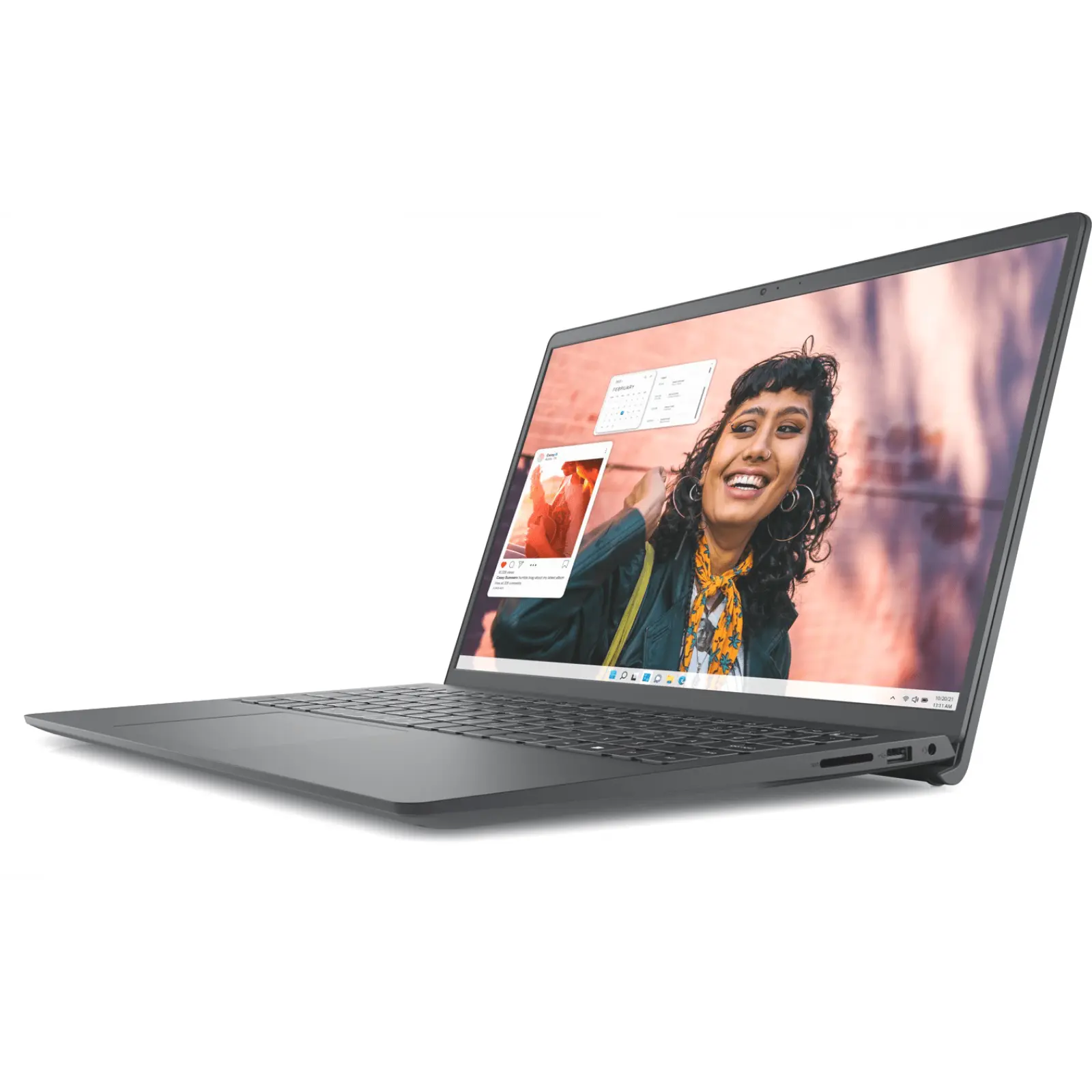
A conventional Windows work laptop with enough memory for a normal busy day and a 120 Hz screen that should feel smoother than a basic 60 Hz panel. The integrated graphics make the boundary clear: this is for productivity, not modern gaming.
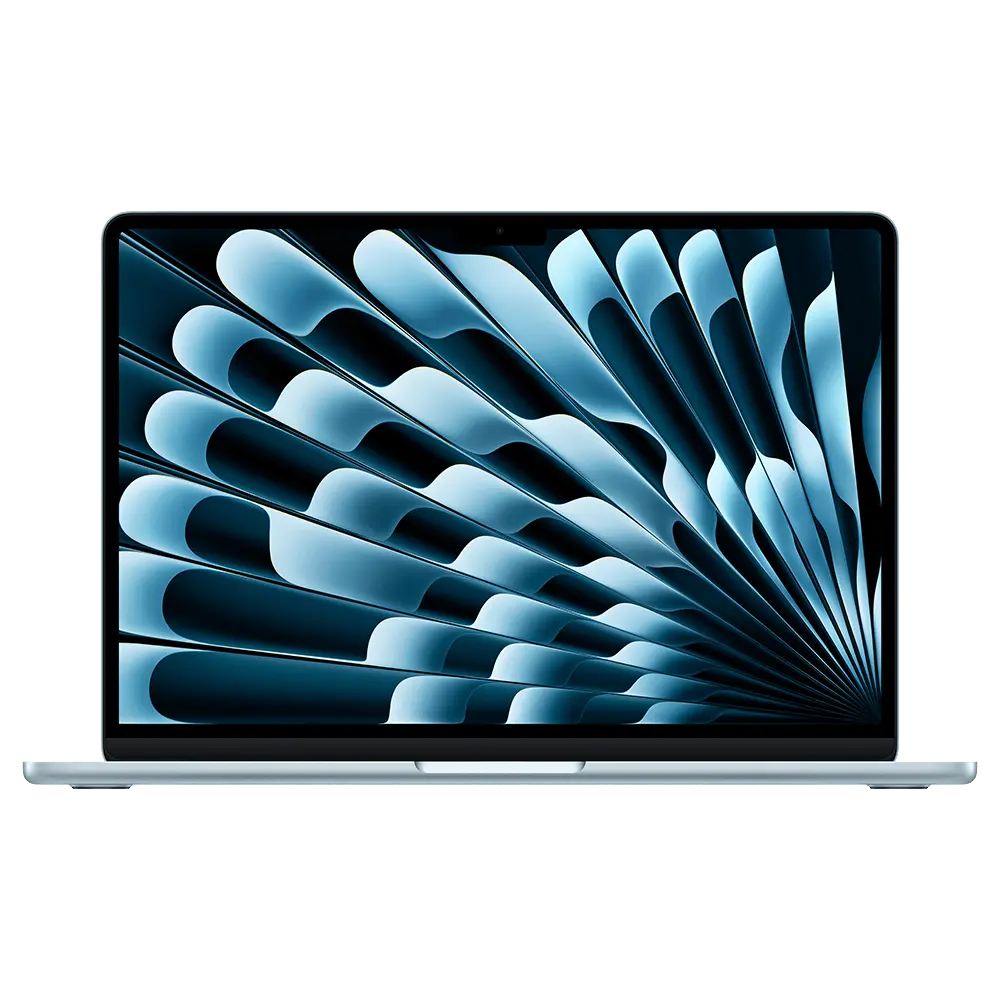
Silent, light and fast enough for a lot of real work. The part I would not overlook is the 256 GB SSD: it is fine for cloud-first use, but cramped for large photo, video or project libraries.
ProcessorApple M4 · 10-core CPU
Graphics8-core integrated GPU in the base configuration
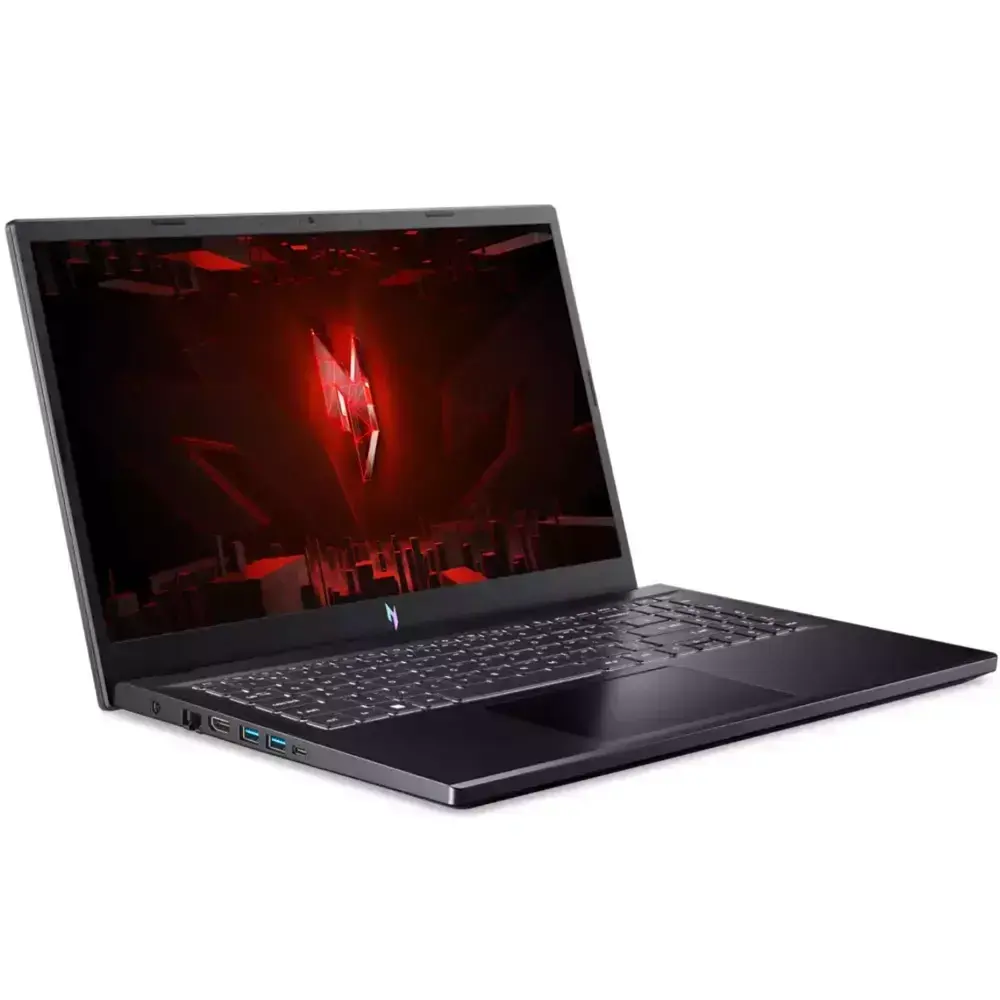
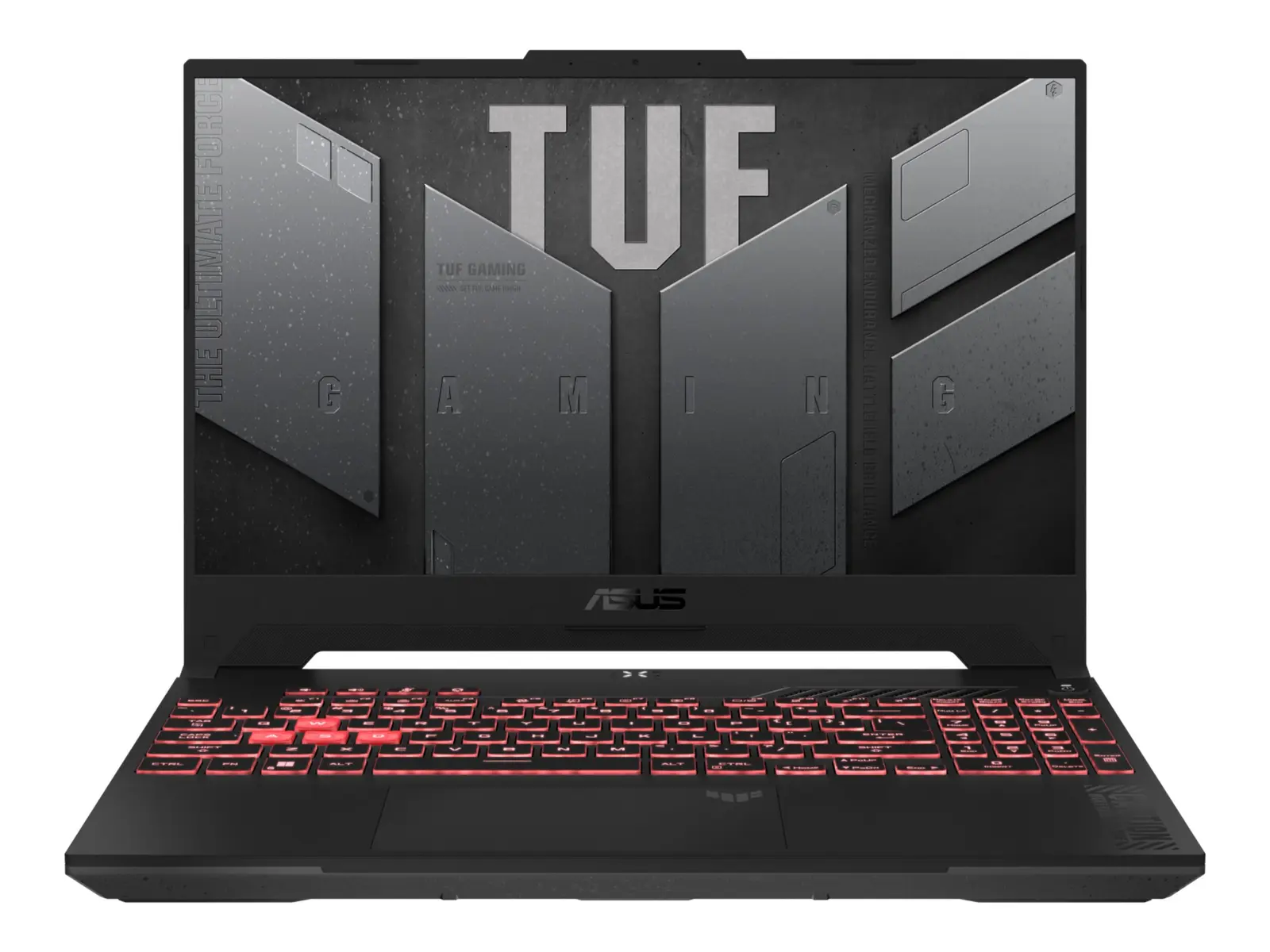
A first gaming laptop for esports and lighter games, not a machine that will run every new AAA title at ultra settings. The 144 Hz display is useful; the older RTX 3050 and 512 GB SSD are the limits I would price carefully.
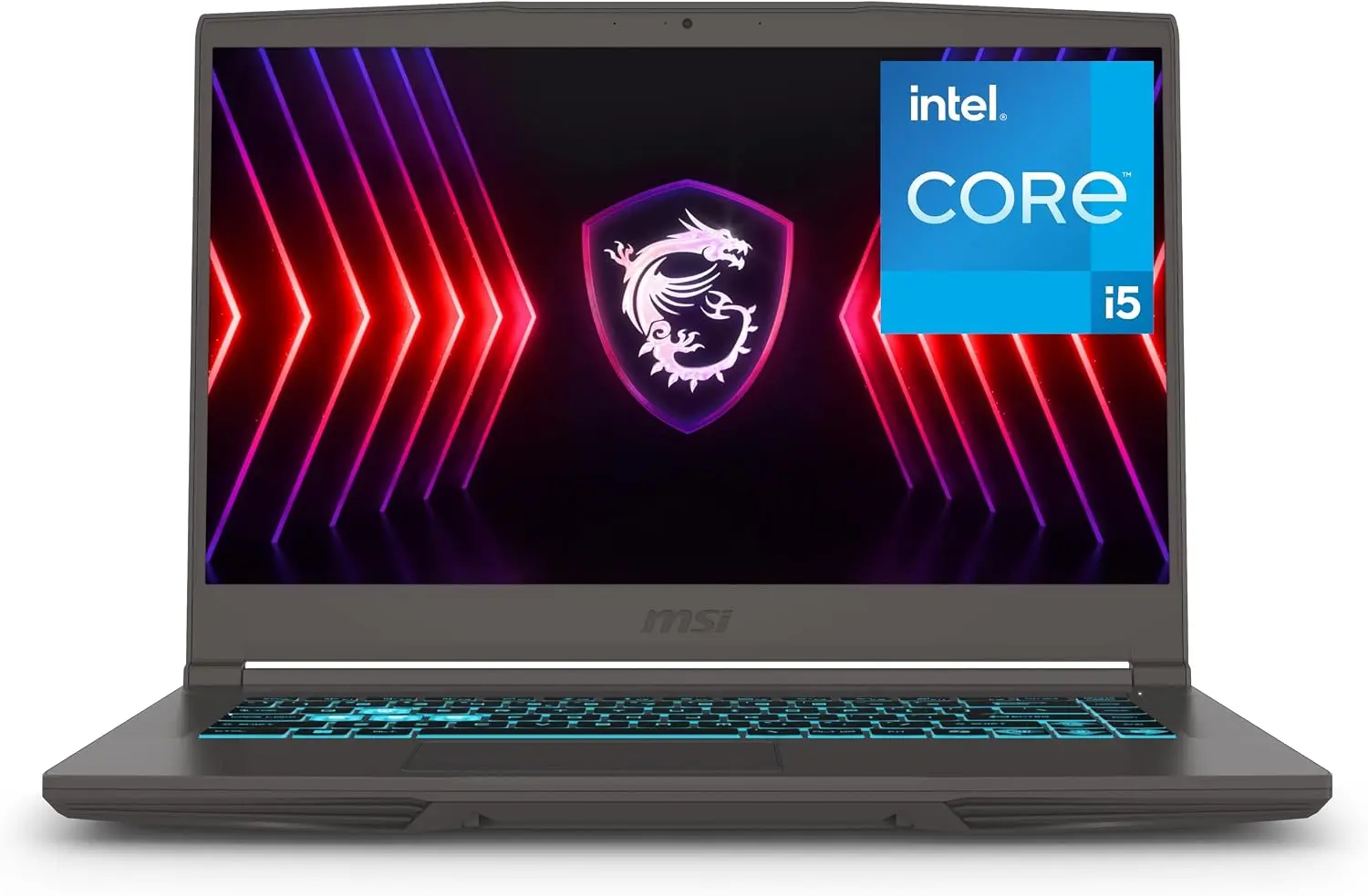
The RTX 4050 makes this a more current 1080p gaming choice than the Nitro's RTX 3050. I like the thinner format, but thin gaming laptops often trade some cooling and noise comfort for portability, and 512 GB still fills quickly.
This is where the list starts to feel genuinely powerful without becoming an 18-inch suitcase. The Ryzen 9 and laptop RTX 4070 suit demanding games and GPU-assisted work, although I would check whether 16 GB of memory is enough for the intended workload.
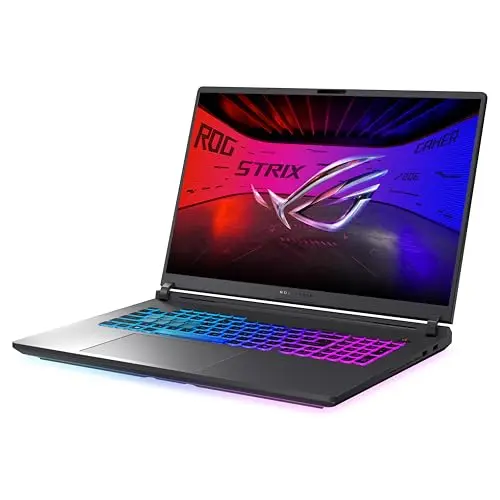
Think of this as a gaming desktop you can move, not a laptop you will enjoy carrying every day. The 18-inch 240 Hz display, RTX 5070 Ti and 32 GB of memory are the attraction; the size, heat and power adapter are the price of admission.
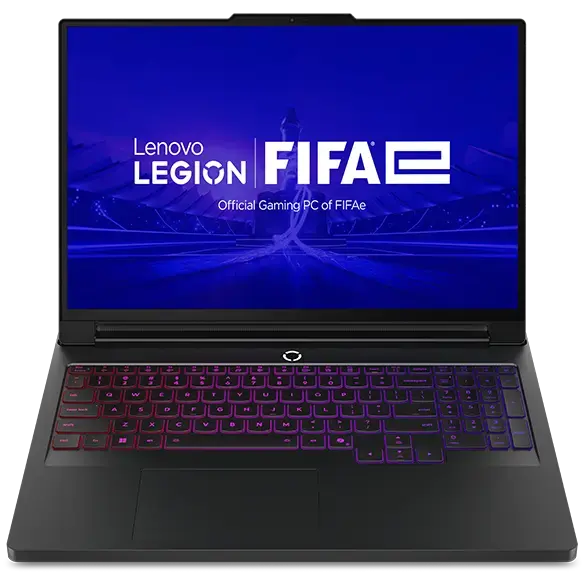
The 175 W RTX 5080 and 240 Hz OLED are the reasons to buy this Legion; everything else is secondary. It is an impressive movable workstation, but I would not choose it for silence, long battery life or a light commute.
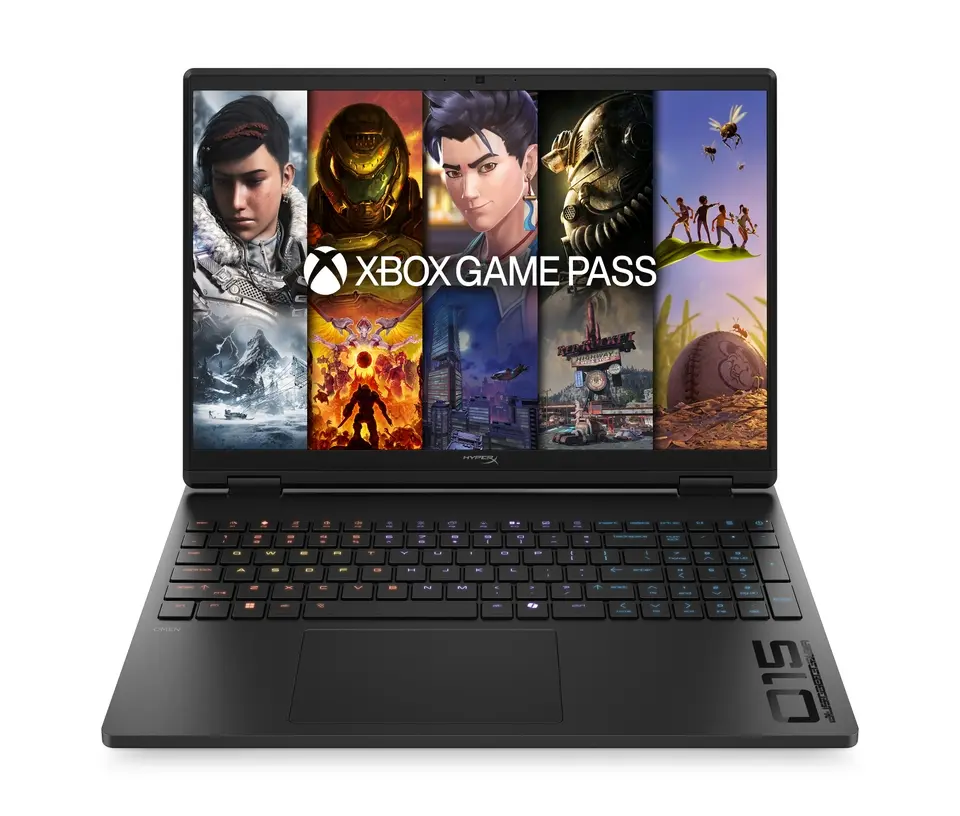
A coherent 1080p/1200p gaming laptop in a manageable 15.3-inch format. The RTX 5060 fits the 165 Hz display well; the single 16 GB memory module is the compromise I would plan to address after checking HP's warranty terms.
With your permission: visitor statistics, retailer clicks and ad measurement, including session recordings. Declining does not block the site.
Services used and privacy
With your permission, GPUStores uses anonymous first-party measurement, Google Analytics, Google Ads, Microsoft Advertising, Microsoft Clarity (heatmaps and session recordings) and the Meta Pixel to measure visits, page reading, retailer clicks and advertising effectiveness. We do not sell personal data.
 #ADView priceExact model — see price on Amazon.ca
 Checking price…
 Search offersNew items — check the model and seller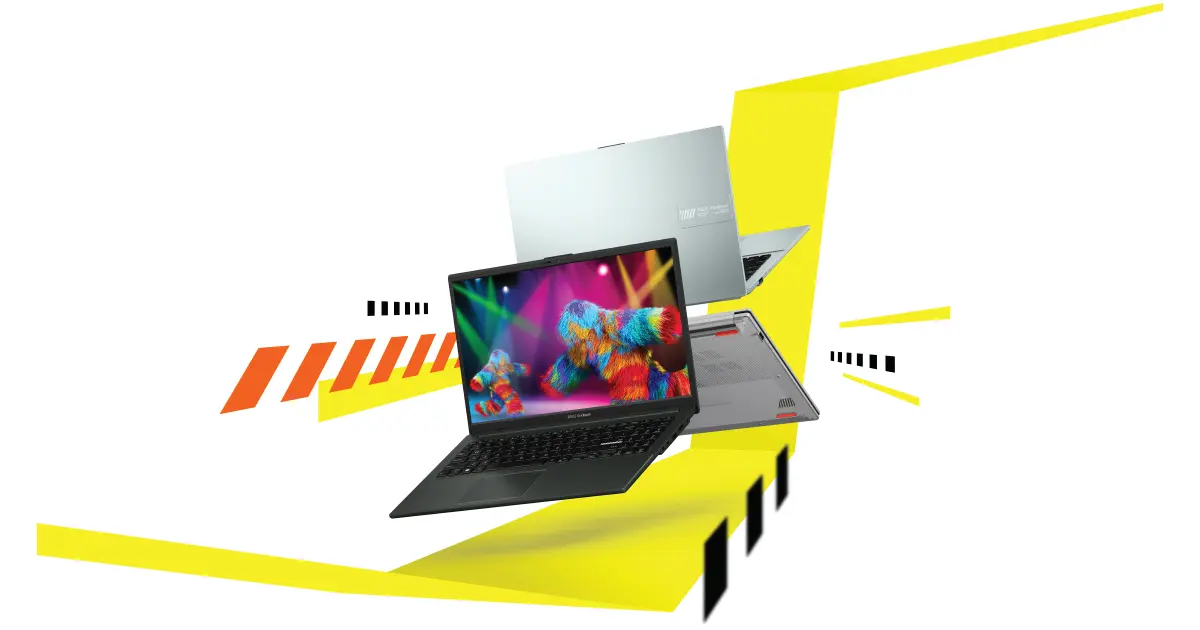
 Études et WebASUS Vivobook Go 15View model →
 Polyvalent · 16 GoASUS Vivobook Ryzen 5View model →
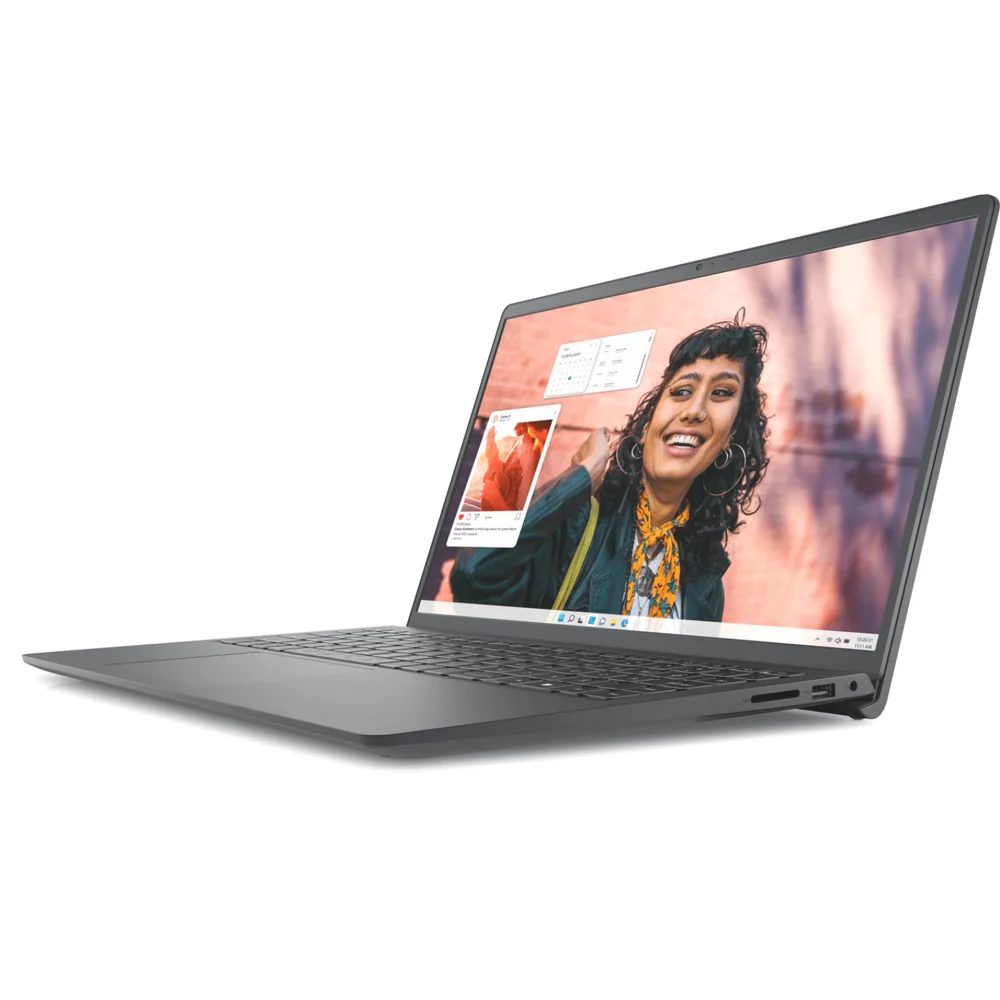 Travail et étudesDell Inspiron 15 3530View model →
 Tactile · 2-en-1Lenovo IdeaPad Flex 5View model →