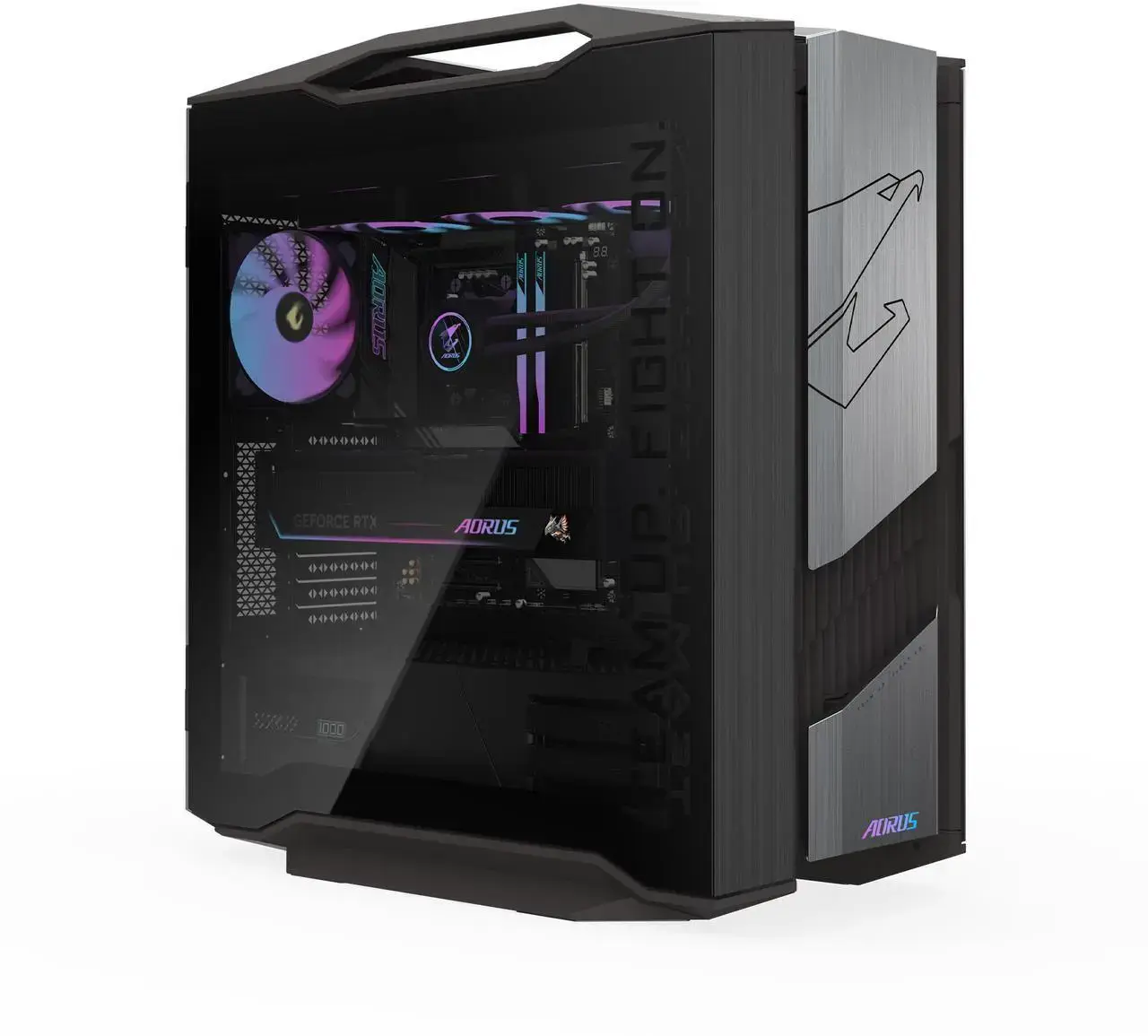
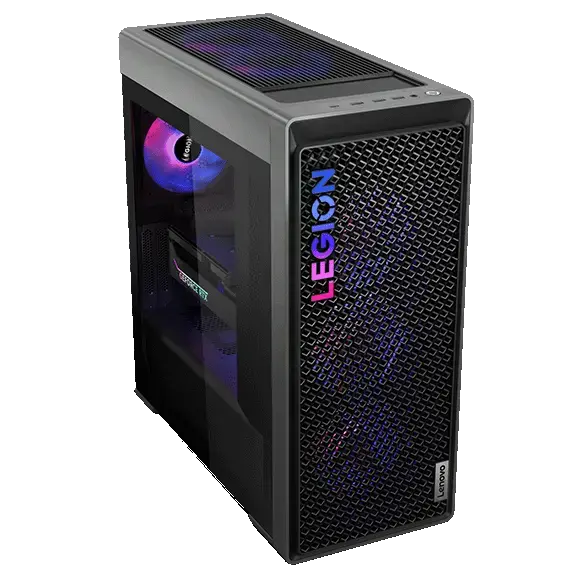
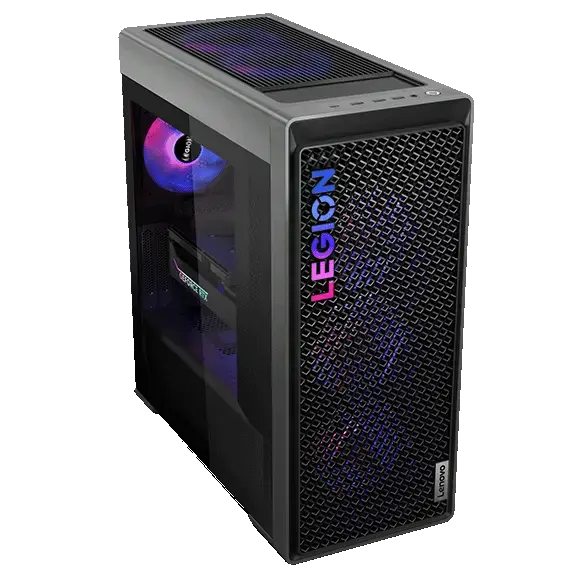
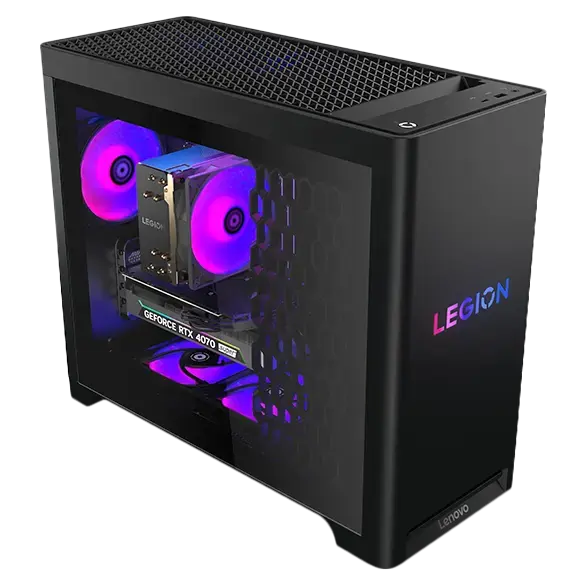
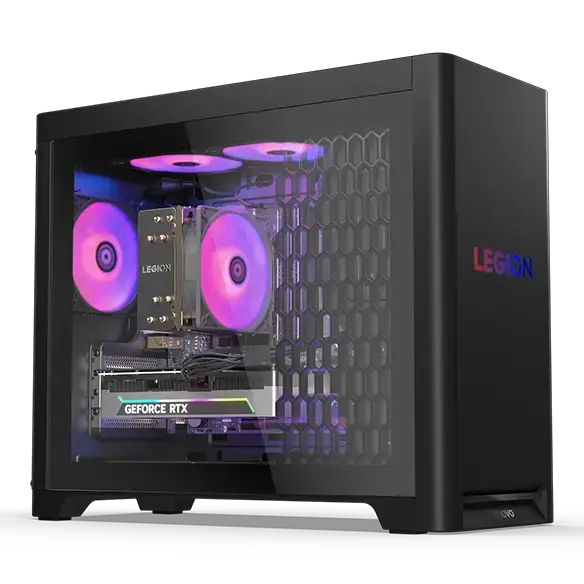
I look at the whole machine—not just the big logo on the graphics card. See what is good, what is not, and the precise reference to verify before paying.
I start with the balance of the machine: graphics, processor, memory, storage and the compromises people often discover after buying. Every page tracks a precise reference.
The differences that really matter between these towers
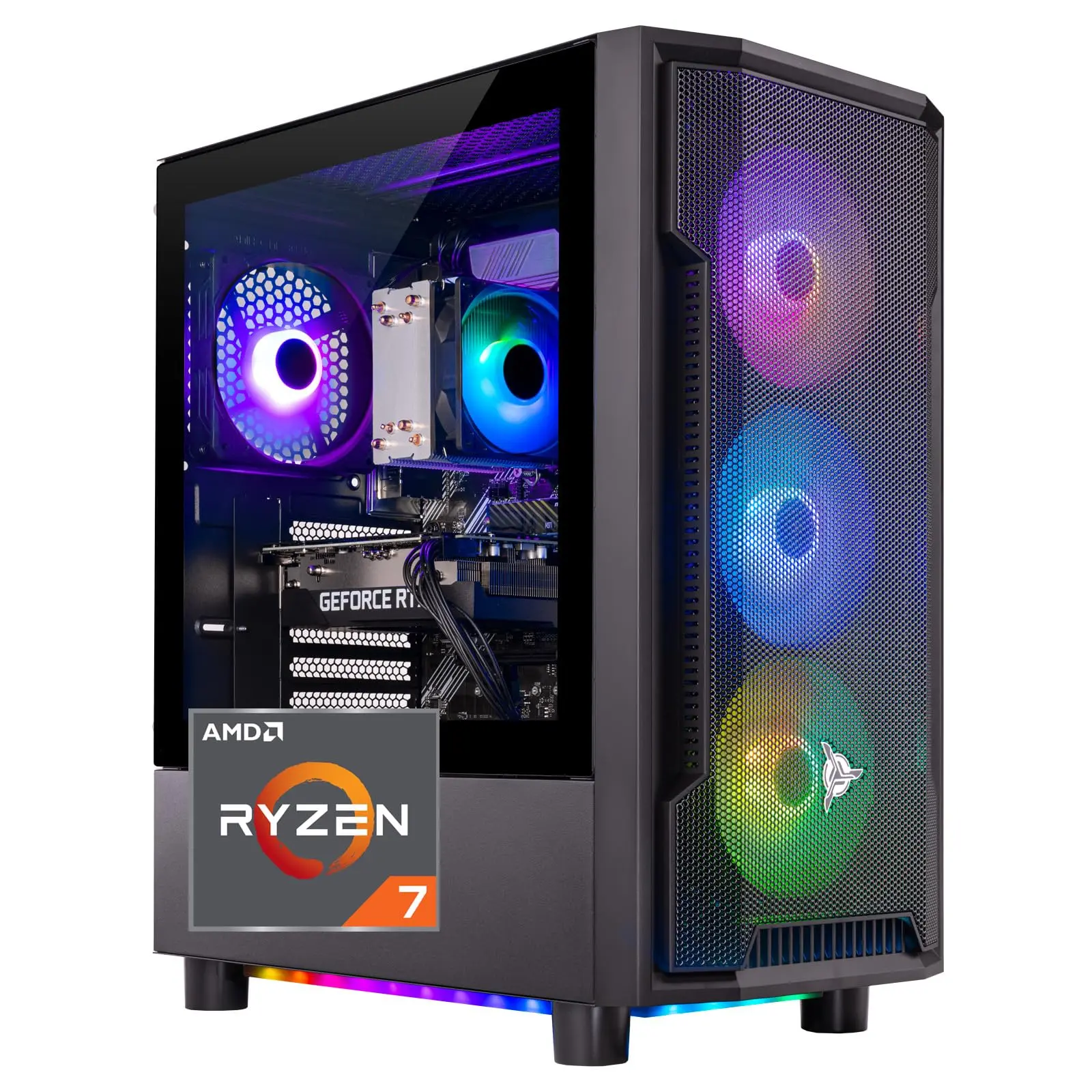
A sensible first gaming PC for esports, school and everyday work. The RX 6500 XT is better than integrated graphics, but it remains a light 1080p card; the 1 TB SSD is the part I would appreciate most at this price level.
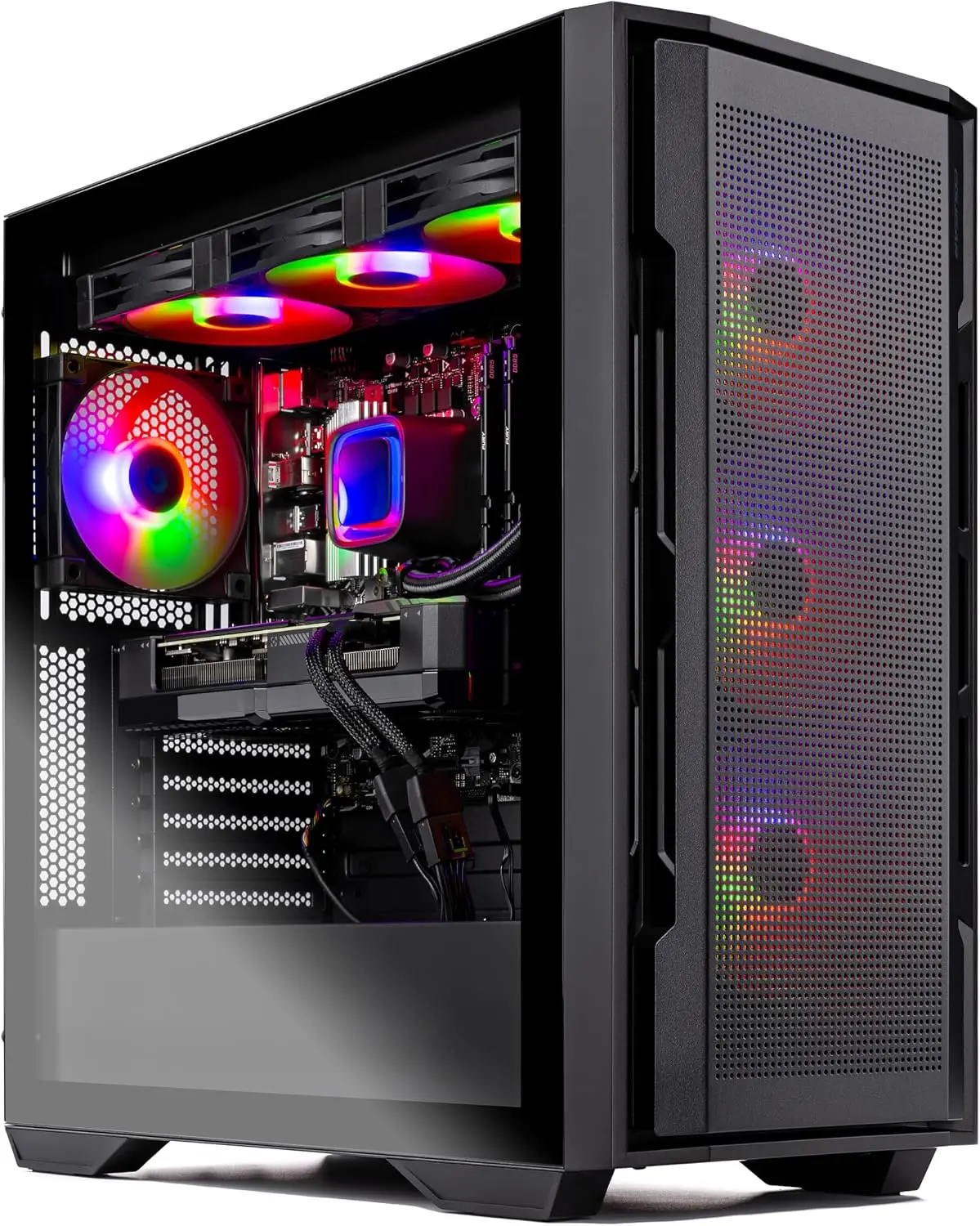
The Ryzen 7 7700 gives this tower more CPU headroom than the RTX 4060 really needs. I see it as a strong 1080p machine that can handle 1440p with sensible settings, with an easy memory upgrade if 16 GB becomes tight.
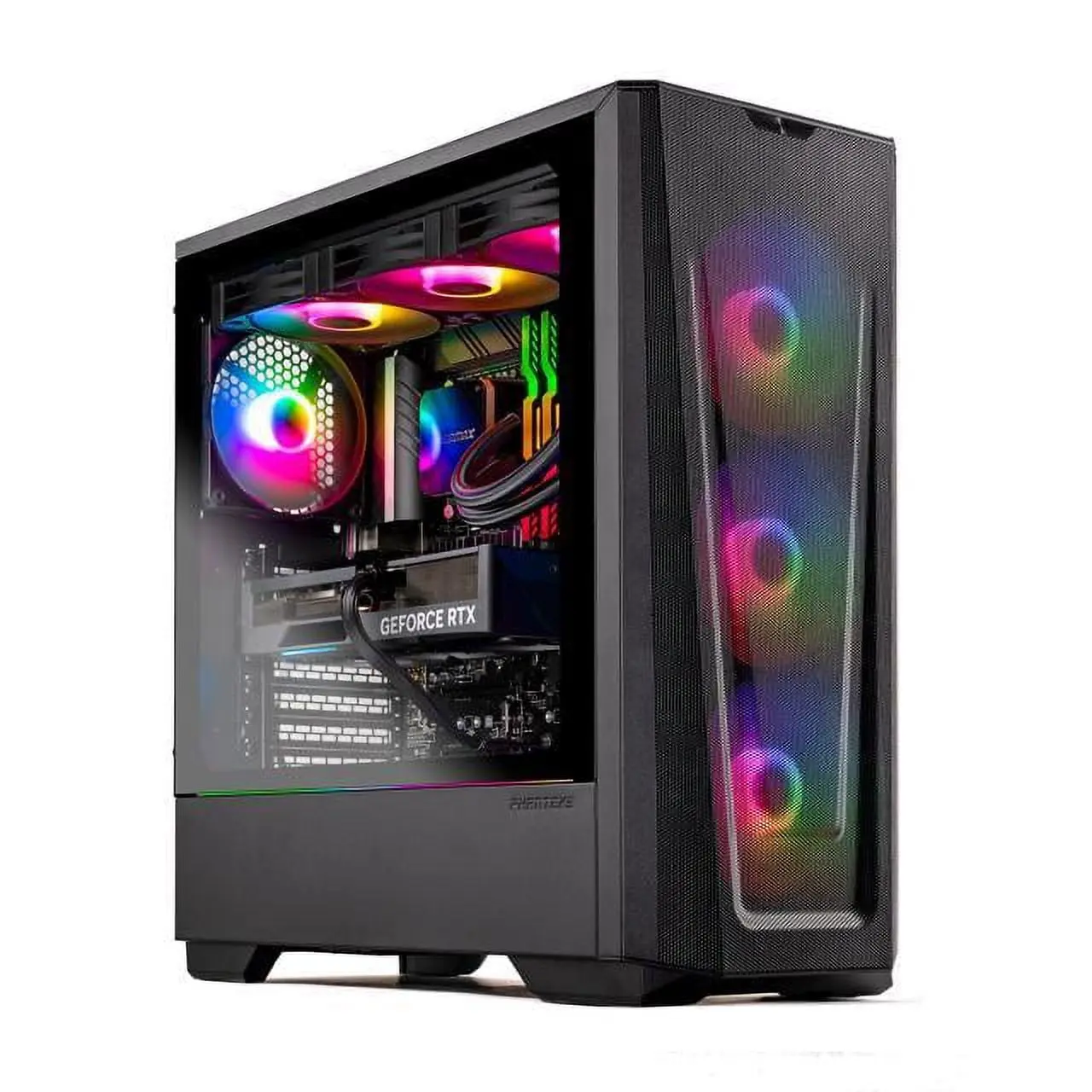
This is one of the cleaner gaming combinations in the list: an excellent 7800X3D, an RTX 4070 SUPER, 32 GB of memory and enough storage to avoid an immediate upgrade. I would choose it for high-refresh 1440p before paying flagship prices.
A strong all-rounder for someone who games but also renders, streams or edits. The RTX 4070 SUPER is the real gaming anchor; the Core i7, 32 GB of memory and 2 TB SSD make the rest of the machine feel properly finished.
The RX 9070 XT and its 16 GB of graphics memory make this a convincing 4K Radeon tower. My hesitation is the 1 TB SSD: for a system this powerful and expensive, I would already budget for more storage.
This is not a normal gaming purchase. The 9800X3D, RTX 5090 and 64 GB of memory only make financial sense if you will genuinely use them for extreme 4K, local AI, 3D or heavy video work.
For a buyer who wants high-end 4K performance without jumping to an RTX 5090, this Legion is the more reasonable stopping point. The 32 GB of memory and 2 TB SSD also mean there is no obvious day-one upgrade.
This version keeps Lenovo's premium Tower 7i chassis and a very powerful CPU, but trims the graphics card to an RTX 5070 Ti. It is excellent for high-refresh 1440p; I would only pay the Tower 7i premium if its cooling, support and finish matter to you.
This is probably the most balanced Lenovo tower here. The Core Ultra 7 and RTX 5070 make sense together for 1440p, while 32 GB of memory and a 2 TB SSD keep Lenovo from creating an artificial upgrade problem.
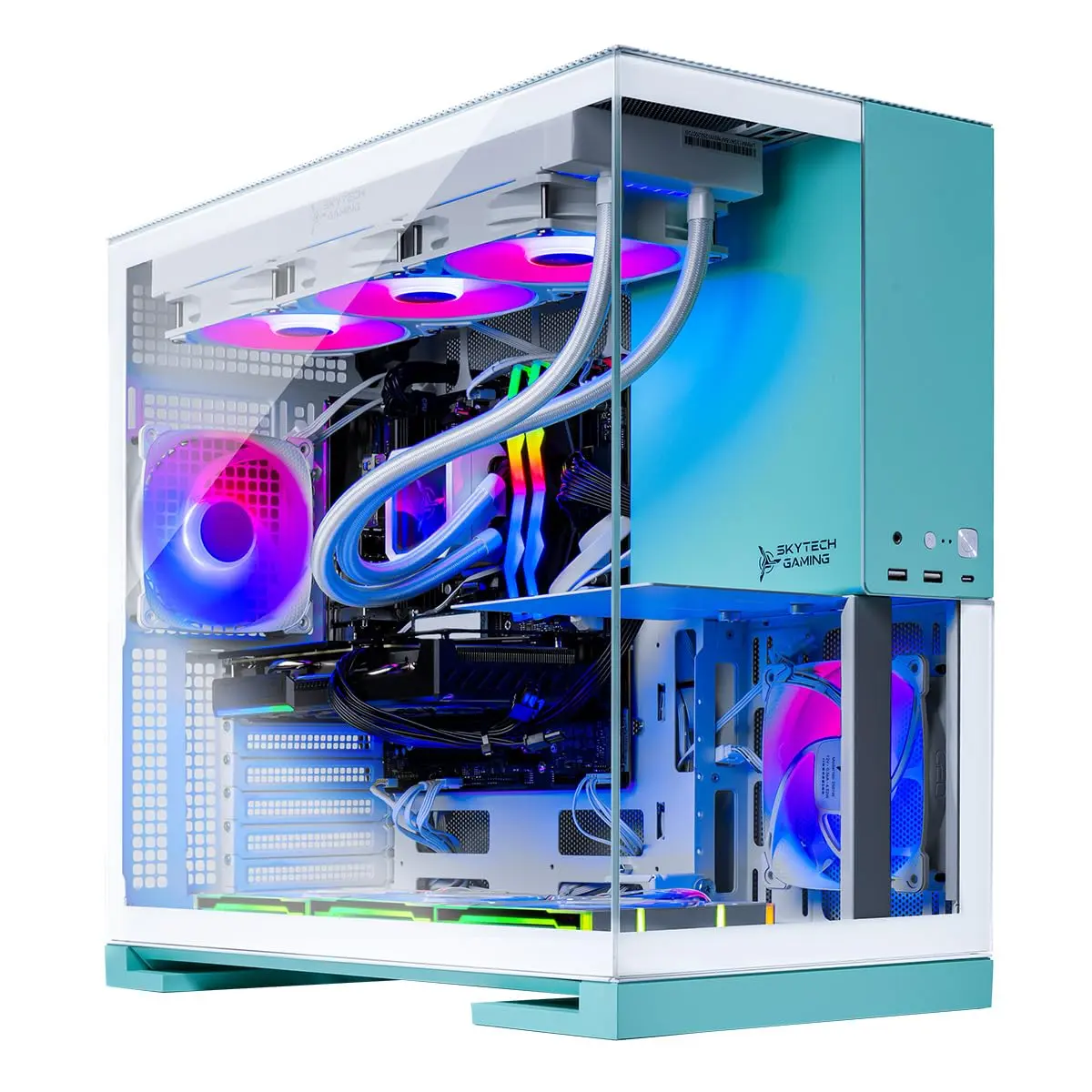
A straightforward AMD alternative to the Tower 5i: Ryzen 7, RTX 5070 and 32 GB of memory in a 30-litre chassis. I like the balance, but the 1 TB SSD is the first thing a large game library will outgrow.
Two desktops with the same GPU are not the same purchase
Ask for the complete power-supply, motherboard and SSD model numbers. A listing that says only ‘850W’, ‘Wi-Fi’ and ‘1TB SSD’ leaves connectors, expansion and replacement options unresolved. Mark those fields ‘unspecified’ instead of crediting the PC with the features of an assumed component.
An illustrative comparison, not a retailer quote: a C$2,000 tower needing C$180 of RAM and C$120 delivery totals C$2,300 before applicable tax. A C$2,200 delivered, already-equipped tower is then C$100 cheaper. Check whether the RAM upgrade replaces existing modules and whether installation affects service terms.
With your permission: visitor statistics, retailer clicks and ad measurement, including session recordings. Declining does not block the site.
Services used and privacy
With your permission, GPUStores uses anonymous first-party measurement, Google Analytics, Google Ads, Microsoft Advertising, Microsoft Clarity (heatmaps and session recordings) and the Meta Pixel to measure visits, page reading, retailer clicks and advertising effectiveness. We do not sell personal data.
 #ADCheck current price on Amazon.ca