2026 CPU BUYING COMPARISON
Ryzen 7 9850X3D vs 9800X3D: Is the Upgrade Worth It?
The Ryzen 7 9800X3D remains the default value choice when it costs meaningfully less. The Ryzen 7 9850X3D keeps the same 8 cores, 16 threads, cache, 120 W TDP and AM5 platform, but raises maximum boost from 5.2 to 5.6 GHz. Pay the premium only when it is small or when maximum CPU-limited gaming performance genuinely matters.
Specifications last verified: August 21, 2026
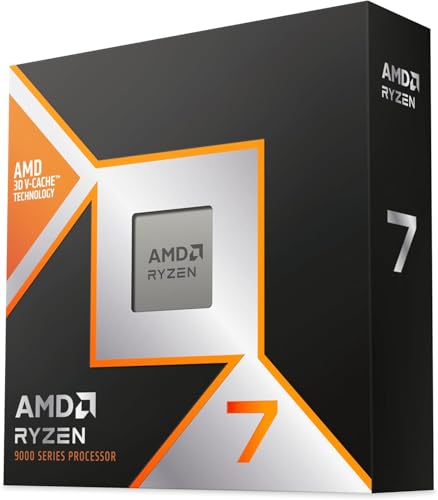
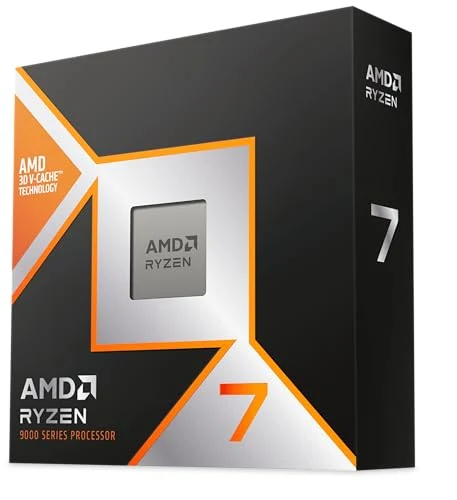
The 30-second answer
For a new maximum gaming build, the 9850X3D is reasonable only at a small premium. For value or an existing 9800X3D system, keep or buy the 9800X3D.
Decision matrix
| Situation | Starting choice | Why |
|---|---|---|
| New maximum gaming build | 9850X3D at a small premium | The higher boost can matter when the CPU is truly the limit. |
| Value-focused new build | 9800X3D | Same cores, cache, TDP and platform. |
| Existing 9800X3D owner | Keep it | Upgrade only for a measured personal constraint. |
| GPU-limited 1440p or 4K | 9800X3D | Budget usually creates more value elsewhere. |
| Heavy all-core productivity | Compare more cores | Eight X3D cores are not a universal production winner. |
 #ADCheck Ryzen 7 9850X3D · Amazon.ca #ADCheck Ryzen 7 9800X3D · Amazon.ca Open the preloaded F1 comparator →
Source-verified official specifications
Manufacturer facts. GPUStores buying analysis and decision rules are separated below.
| Specification | Ryzen 7 9850X3D | Ryzen 7 9800X3D |
|---|---|---|
| Architecture | Zen 5 | Zen 5 |
| Cores / threads | 8 / 16 | 8 / 16 |
| Base clock | 4.7 GHz | 4.7 GHz |
| Maximum boost | 5.6 GHz | 5.2 GHz |
| L1 | 640 KB | 640 KB |
| L2 | 8 MB | 8 MB |
| L3 | 96 MB | 96 MB |
| Total cache | 104 MB | 104 MB |
| Default TDP | 120 W | 120 W |
| Socket | AM5 | AM5 |
| PCIe | 5.0 · 28 native / 24 usable | 5.0 · 28 native / 24 usable |
| Maximum memory | 256 GB | 256 GB |
| Integrated graphics | 2-core Radeon · 2,200 MHz | 2-core Radeon · 2,200 MHz |
| Included cooler | None | None |
| Boxed ID | 100-100001973WOF | 100-100001084WOF |
Differences that actually change the purchase
GPUStores buying analysis based on the official facts above, with no static price or invented laboratory result.
The real difference is 400 MHz
AMD publishes the same base clock, core count, cache and TDP, while maximum boost moves from 5.2 to 5.6 GHz. That does not create one universal performance percentage.
Same cores, cache, platform and TDP
Both processors publish 8 cores, 16 threads, 104 MB of total cache, AM5 and a 120 W default TDP. The model name alone does not change the surrounding platform requirements.
CPU-limited gaming
A faster CPU matters most at high refresh with a sufficiently powerful GPU and a game engine that exposes the processor. Confirm with repeatable measurements in the titles you use.
GPU-limited 1440p and 4K
When the graphics card is already the constraint, the CPU premium can be difficult to see. Complete-cart budget may be better assigned to the GPU, display or storage.
Existing 9800X3D owners
Keep the 9800X3D unless a repeatable measurement in your own workload proves that its CPU limit is worth the replacement cost, effort and resale loss.
Cooling and BIOS
Neither boxed processor includes a cooler. Confirm cooler capacity and AM5 mounting, then verify the motherboard CPU support list and minimum BIOS before changing processors.
Delivered-price premium
Use same-day delivered totals. A small premium can suit a new maximum-refresh build; a larger premium should be justified by a measured CPU-limited need, not the model number.
When more cores matter more than X3D
Rendering, compiling and production can prefer a 12- or 16-core CPU. Compare the exact applications instead of assuming the gaming specialist wins every workload.
Best profile for Ryzen 7 9850X3D
New, maximum-refresh gaming builds where a small premium is acceptable.
Best profile for Ryzen 7 9800X3D
Value-focused gaming, GPU-limited resolutions and existing 9800X3D owners.
Ryzen 7 9850X3D limitations
Same eight-core and cache configuration; a large premium is hard to justify.
Ryzen 7 9800X3D limitations
Lower maximum boost, but otherwise the same published platform fundamentals.
Delivered-price or complete-cost rule
Compare delivered CPU totals and the complete AM5 cart. These thresholds are buying analysis, not benchmark claims.
| Situation | Decision rule |
|---|---|
| 9850X3D premium below about 5% | Reasonable for a new maximum-gaming build. |
| About 5–10% | Justify with a CPU-limited, high-refresh workload. |
| Above 10% | Strong 9800X3D preference. |
| Already own 9800X3D | Keep it unless your measured need says otherwise. |
Compatibility
Both use AM5 and DDR5, but a matching socket alone does not prove boot support. Confirm the exact motherboard CPU list and minimum BIOS.
Neither includes a cooler. AMD recommends liquid cooling for optimal 9850X3D performance; that is not a claim that every owner requires liquid cooling. Validate capacity, mounting and case clearance.
#ADCheck Ryzen 7 9850X3D · Amazon.ca #ADCheck Ryzen 7 9800X3D · Amazon.ca Open the preloaded F1 comparator →Choose this if…
- Its delivered premium is small.
- Maximum CPU-limited gaming matters.
Skip this if…
- The premium exceeds the value of the higher boost.
- Your workload needs more cores.
Choose this if…
- Value matters more than the last clock step.
- You already own one.
- Gaming is usually GPU-limited.
Skip this if…
- A small premium buys the 9850X3D in a new maximum build.
Relevant alternatives
#ADCheck Ryzen 7 9850X3D · Amazon.ca #ADCheck Ryzen 7 9800X3D · Amazon.ca Open the preloaded F1 comparator →Compare the specifications that matter
Compare models side by side; missing information stays clearly marked.
Open this preloaded pair →Frequently asked questions
Is the 9850X3D much faster?
AMD publishes a 400 MHz higher maximum boost with the same cores and cache. The real difference depends on the workload and cannot be reduced to one universal percentage.
Should I upgrade from a 9800X3D?
Usually no. Upgrade only if your own repeatable measurements show a CPU limit worth the total cost and effort.
Do they use the same motherboard?
They share AM5, but the exact board still needs a supporting BIOS and validated CPU list.
Do they require liquid cooling?
AMD recommends liquid cooling for optimal 9850X3D performance. Choose cooling from measured limits, board settings, acoustics and case fit.
Which is better for productivity?
They share eight cores and sixteen threads. For heavily parallel work, compare a higher-core CPU and the exact software.
Methodology
GPUStores does not claim to operate a laboratory. We separate cited manufacturer facts from buying analysis, compare delivered and platform cost, and revise decisions when products change.
Read the complete methodology →Official sources
AMD — Ryzen 7 9850X3D ↗AMD — Ryzen 7 9800X3D ↗Final verdict
The 9800X3D is the default value choice. Pay for the 9850X3D only when the premium is small or your measured CPU-limited use makes its higher boost valuable.
#ADCheck Ryzen 7 9850X3D · Amazon.ca #ADCheck Ryzen 7 9800X3D · Amazon.ca Open the preloaded F1 comparator →Canonical URL: https://gpustores.com/guides/9850x3d-vs-9800x3d